Blog

  • Beginner’s Guide to Adult Ballet in Singapore

    Discovering Adult Ballet: A Comprehensive Guide for Beginners in Singapore

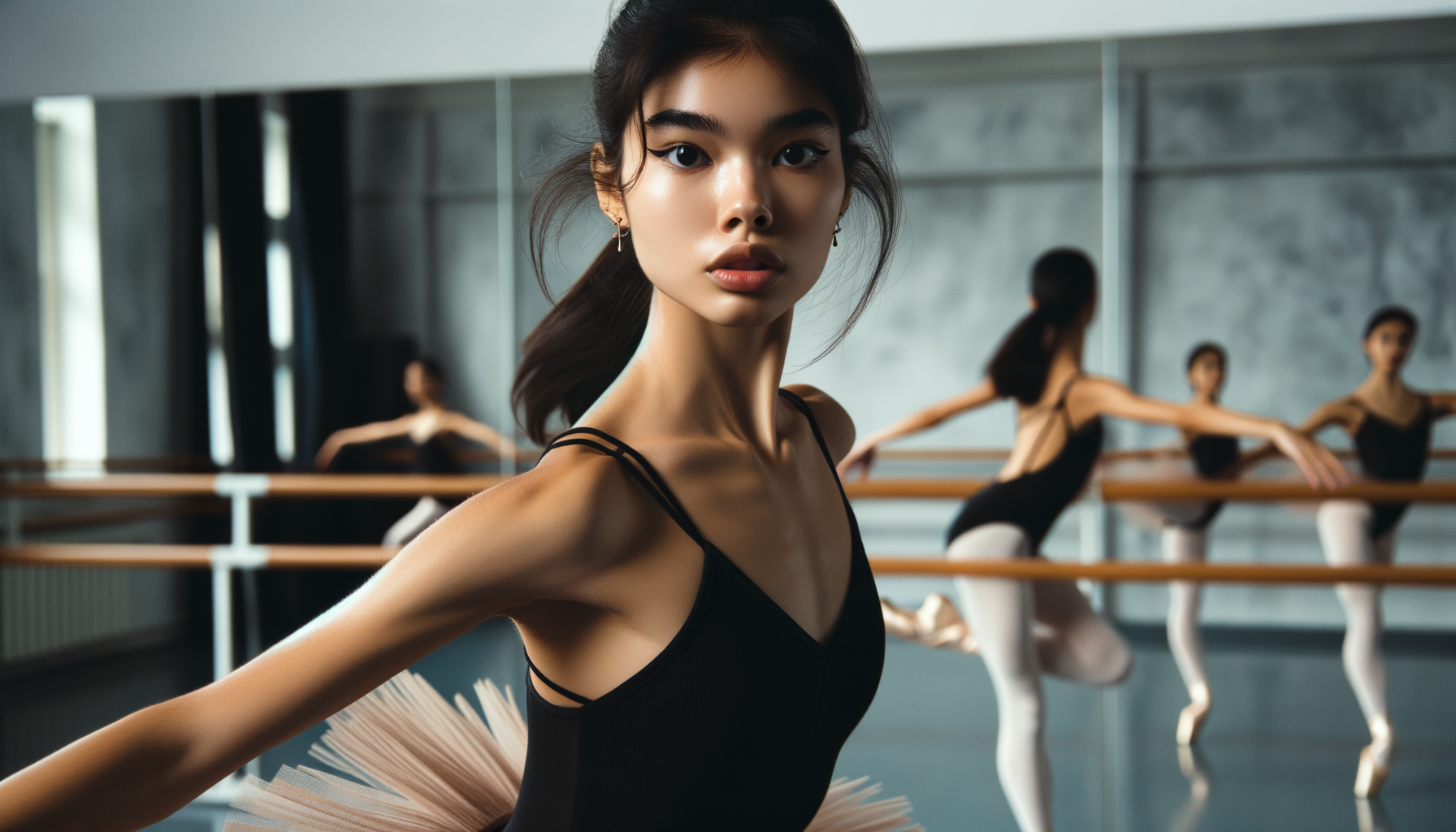
    Adult ballet classes have surged in popularity in Singapore as more adults recognize the physical and mental advantages of dance. Whether you’re rekindling your love for ballet after a hiatus or starting anew, the grace and strength that ballet offers are within your reach. This detailed guide delves into the benefits of adult ballet, what to anticipate in class, the structure of classes, attire recommendations, and injury prevention strategies.

    Benefits of Adult Ballet

    Ballet isn’t exclusively reserved for children. Adults who engage in ballet classes experience a multitude of benefits, including:

    • Improved posture, flexibility, and coordination: Ballet aids in enhancing these fundamental aspects of physical health.
    • Enhanced balance and core stability: Crucial elements for countering the impact of sedentary lifestyles.
    • Mental benefits: Improved memory, focus, mood elevation, and boosted confidence are common outcomes of engaging in ballet.

    What to Expect in Class

    Adult ballet classes in Singapore cater to individuals with diverse levels of experience. Beginners typically start with foundational positions and movements such as pliés, tendus, and simple port de bras. Classes usually kick off at the barre to focus on technique before progressing to centre exercises. Expect a supportive atmosphere where instructors customize combinations to suit varying skill levels. Many studios offer drop-in classes, providing adults with flexibility in attendance.

    Class Structures

    A standard adult ballet class spans between 60-75 minutes and typically follows this structure:

    Class Segment Description
    Warm-up at the barre Emphasizing technique and preparation
    Centre work and basic choreography Transitioning into more intricate movements
    Intermediate elements Possibly incorporating jumps or turns
    Stretching or strengthening exercises Enhancing flexibility and muscle conditioning

    Classes are often segmented into beginner, intermediate, and open levels to facilitate individual progress. Opt for classes that prioritize proper technique to minimize injury risks.

    What to Wear

    Attending adult ballet classes necessitates wearing comfortable, well-fitted attire that allows instructors to assess alignment. Suitable options include leotards with tights or leggings paired with a snug top. Men can choose a T-shirt with tights or fitted shorts. Soft ballet shoes are essential for grip and support, with hair secured away from the face. Avoid wearing jewelry or watches, and remember to bring a water bottle and a small towel.

    Injury Prevention Tips

    To steer clear of injuries, it’s vital to:

    • Warm up adequately before class and stretch post-exercise
    • Avoid forcing turnout or high extensions
    • Gradually build strength to protect joints
    • Rest between classes

    Consider integrating cross-training activities like yoga or Pilates to bolster flexibility and core stability. Inform your instructor of any pre-existing conditions for tailored modifications.

    Conclusion

    Adult ballet blends physical exercise with artistic expression, offering a unique and fulfilling experience. From enhanced posture to amplified mental focus, the allure of ballet is undeniable. Embark on your ballet journey with a beginner class, adhere to suitable attire guidelines, warm up diligently, and relish the joy of rediscovering movement through ballet.
  • RAD Ballet Singapore: Everything Parents Need to Know (2025 Edition)

    RAD Ballet Singapore: A Comprehensive Guide for Parents (2025 Edition)

    The Royal Academy of Dance (RAD) syllabus plays a significant role in the ballet education landscape in Singapore, offering a well-structured pathway from beginner levels to advanced stages. Parents often seek guidance on understanding the RAD programme, including exam processes and ways to assist their child in their ballet journey. This comprehensive guide aims to demystify the RAD system, outline the graded levels, and provide valuable insights on exam preparation and progress monitoring.

    What is RAD?

    The Royal Academy of Dance, founded in 1920, was established to standardize ballet training by introducing a consistent syllabus. RAD exams assess dancers on their technical proficiency, musicality, and artistry, encompassing both practical performance and theoretical knowledge. Students are evaluated on classical exercises, free movement, character dance, dance vocabulary, and musical interpretation. Many ballet schools in Singapore adopt the RAD syllabus to uphold rigorous standards and earn international acclaim.

    Understanding RAD Grades (Pre-Primary to Grade 8)

    RAD grades are specifically designed for different age groups and skill levels. The graded syllabus commences at Pre-Primary (age 5) and Primary (age 6), progressing through Grades 1-5 (from age 7) and Grades 6-8 (around age 11 and above). Vocational levels such as Intermediate Foundation, Intermediate, and Advanced grades cater to students pursuing professional ballet training. Each grade builds upon the preceding one, introducing more intricate steps, arm movements, and performance quality, with advancement based on mastery rather than age criteria alone.

    How RAD Exams Work in Singapore

    RAD examinations offer an external evaluation of a dancer’s progression, with children eligible to commence the graded syllabus at the age of 5. Candidates perform prescribed exercises in groups, demonstrating their technical skills, musicality, and expressiveness. Exam day protocol includes arriving early, warming up adequately, donning clean attire, and maintaining quiet in the waiting area. Examinations typically span 30-60 minutes, with candidates grouped by age for equitable assessment. Successful candidates receive certificates and detailed feedback reports.

    How AGDA Prepares Students for RAD Success

    At AGDA, the RAD syllabus is seamlessly integrated into the curriculum, starting with creative movement classes that seamlessly transition into Pre-Primary levels. Instructors emphasize technique, artistry, and performance quality, conducting regular mock exams, progress evaluations, and feedback sessions to help students grasp expectations and boost their confidence. AGDA also organizes observation classes and parent-teacher meetings to engage families in supporting practice sessions at home.

    Progress Tracking Methods

    Progress at AGDA is monitored through active class participation, improvements in flexibility and strength, and the ability to implement corrections effectively. Video recordings and journals may be used for self-assessment, encouraging consistent practice and acknowledging incremental enhancements rather than fixating solely on exam results.

    FAQ

    • Minimum age to start RAD grades: Children can commence RAD training at age 5 (Pre-Primary) and age 6 (Primary), with younger dancers often beginning in pre-ballet or creative movement classes.
    • Compulsory exams: While exams are encouraged, they are not mandatory, allowing some students to skip a grade or focus on performance without the pressure of assessment.
    • Exam duration: RAD exams typically last 30-60 minutes, varying based on the examination level.
    • Attire for exams: Candidates must adhere to a dress code, wearing clean uniforms, tidy hair, and no jewelry to maintain a professional appearance.
    • Results timeline: Exam results are typically released within a few weeks, detailing marks for technique, musicality, and performance.

    Conclusion

    The RAD syllabus offers a well-defined pathway for aspiring dancers in Singapore, blending technical precision with artistic growth. Understanding the various grades, examination procedures, and progress evaluation methods equips parents to provide effective support to their children. By collaborating with reputable institutions like AGDA and emphasizing continual improvement, families can nurture young ballet enthusiasts, fostering confidence and success in RAD examinations and beyond.

  • 10 Benefits of Ballet for Young Children (Backed by Science)

    10 Benefits of Ballet for Young Children (Backed by Science)

    Ballet is more than just a form of dance – it is a powerful developmental tool for young children. From improving posture to boosting cognitive function, the benefits of ballet are numerous and backed by science. This article explores ten key benefits of ballet for young children, drawing on evidence from educational and dance organizations.

    Physical Benefits: Posture, Alignment, and Strength

    Ballet training emphasizes posture and alignment from a young age. Classes for children as young as three at the AQ Dance Academy build physical strength, coordination, and flexibility. Exercises like pliés and tendus strengthen core muscles, while balancing on one foot improves stability and body awareness. Over time, these practices correct slouching and promote an upright posture that benefits daily activities.

    Cognitive Benefits: Memory, Focus, and Problem-Solving

    Learning choreography in ballet requires remembering sequences and responding to music. Ballet classes boost memory, focus, and concentration. Children learn to count beats, recognize patterns, and interpret instructions quickly. These skills transfer to academic tasks, supporting improved attention in school.

    Emotional and Confidence Building

    Ballet provides a structured yet expressive outlet for emotions. Performing movements to music allows children to communicate feelings they may not yet verbalize. Mastering challenging steps instills confidence, teaching that perseverance leads to success. Positive reinforcement from teachers and applause from audiences further boost self-esteem.

    Social Skills and Teamwork

    Group ballet classes encourage cooperation. Students must take turns, share space, and synchronize movements. Ballet classes help children develop social connections and learn respect and cooperation. These interactions teach empathy and patience, valuable traits for friendships and future teamwork.

    Discipline and Work Ethic

    Ballet is rooted in discipline. Following class rules, practicing regularly, and striving for precision instill a strong work ethic. Children learn to set goals and work consistently towards them. These habits carry over into academic studies and personal projects, laying the foundation for lifelong discipline.

    Creativity and Expression

    Ballet nurtures creativity through storytelling and improvisation. Young dancers imagine themselves as characters and interpret music through movement. This creative play supports cognitive flexibility, helping children think innovatively and adapt to new situations.

    Flexibility and Coordination

    Stretching exercises and turnout positions in ballet enhance flexibility, reducing the risk of injury in other sports. Coordinated movements improve bilateral integration, essential for writing, playing instruments, and sports.

    Musicality and Rhythm

    Ballet teaches children to feel and interpret rhythm, enhancing timing and auditory processing. This musicality can improve language development and make learning instruments easier.

    Body Awareness and Spatial Skills

    Dancers become aware of how their bodies move through space, preventing collisions and fostering spatial intelligence. Understanding proximity to others is useful in sports, navigation, and STEM subjects.

    Lifelong Appreciation for the Arts

    Exposure to classical music, performance, and theatre through ballet fosters a lifelong appreciation for the arts. Children who experience ballet often develop curiosity about other art forms, broadening their cultural horizons.

    Conclusion

    The benefits of ballet extend far beyond the studio. Scientific insights and observations from dance educators show improvements in physical health, cognitive function, emotional well-being, and social skills. By enrolling young children in ballet, parents provide them with a strong foundation for both dance and everyday life.

  • How Ballet Improves Posture, Balance & Discipline in Kids

    How Ballet Improves Posture, Balance & Discipline in Kids

    How Ballet Enhances Posture, Balance, and Discipline in Children

    Parents are always looking for activities that not only entertain their children but also contribute to their physical and mental development. One such activity that excels in correcting posture, improving balance, and instilling discipline is ballet. In this article, we will explore how classical ballet training can support the physical and behavioural growth of children.

    Alignment

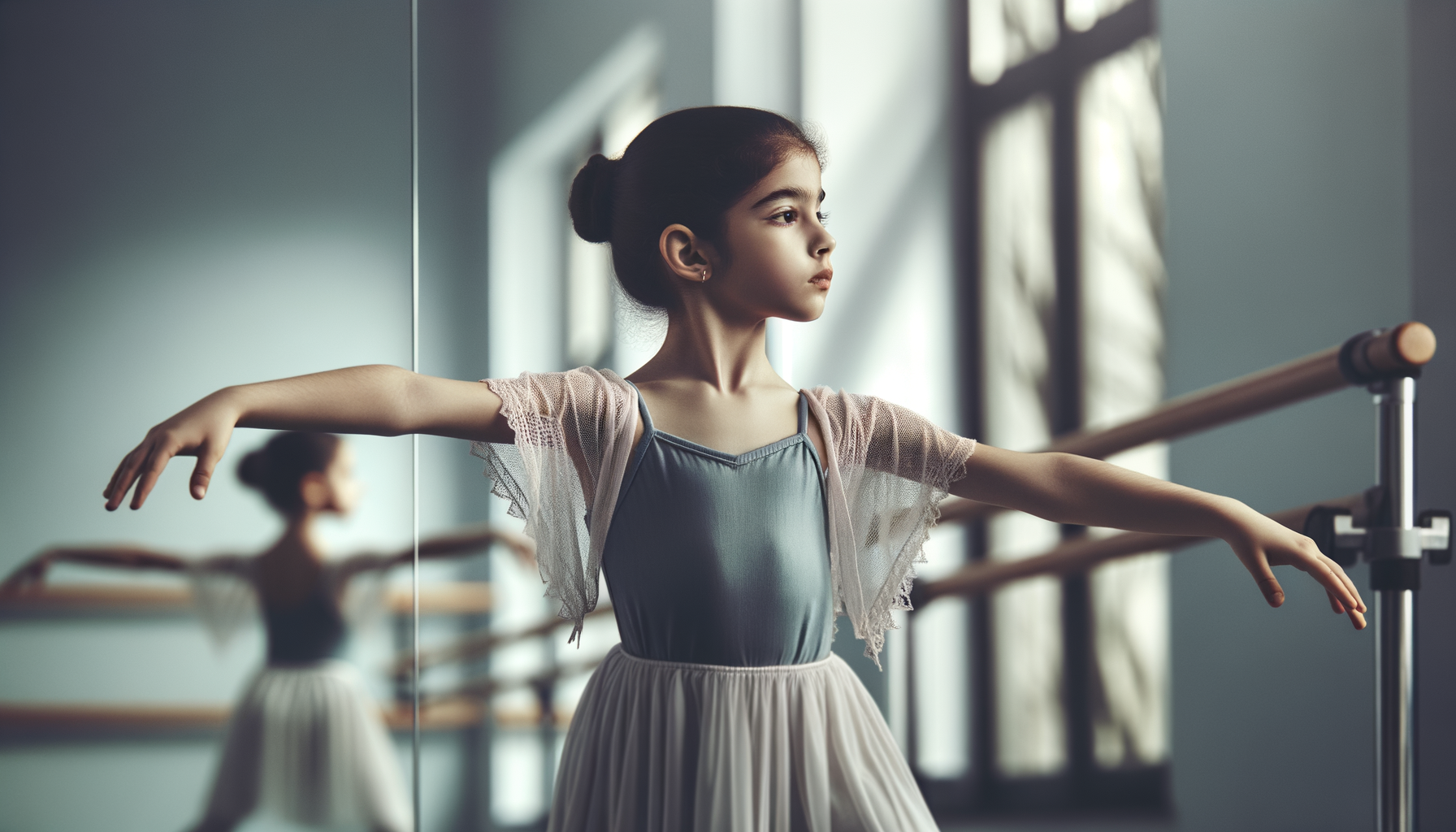
    Ballet demands precise alignment of the spine, hips, and shoulders. Through exercises at the barre and in the centre, young dancers learn to elongate their spines and engage their core muscles. According to AQ Dance, ballet helps in enhancing posture, coordination, and overall body awareness. By consistently practicing proper alignment, children can carry these habits into their daily lives, promoting a tall and upright posture.

    Benefits:

    Improved posture
    Enhanced coordination
    Increased body awareness

    Strengthening Stabilisers

    Many ballet movements target the stabilizing muscles around the ankles, knees, and hips. Balancing on one leg during exercises like arabesques and relevés strengthens these muscles, leading to better joint stability and a reduced risk of injuries during other physical activities or sports.

    Benefits:

    Enhanced joint stability
    Reduced risk of injuries
    Improved balance

    Correcting Common Posture Issues

    In a world where slouching over devices is prevalent, ballet plays a vital role in combating this trend. By teaching children to open their chests, retract their shoulders, and maintain a neutral pelvis, ballet instructors help correct poor posture habits. Through gentle corrections, children develop an awareness of proper alignment, empowering them to make adjustments throughout the day.

    Benefits:

    Counteracting poor posture habits
    Enhanced body awareness
    Improved postural alignment

    Discipline and Focus

    Ballet classes follow a structured format, encompassing warm-up routines, technical exercises, centre work, and cool-down sessions. This structured approach necessitates children to listen attentively, practice patience, and respect their teacher’s guidance. Learning intricate dance combinations not only enhances concentration and memory but also translates into improved focus in academic settings and other extracurricular activities.

    Benefits:

    Enhanced concentration
    Improved memory retention
    Boosted focus in academic settings

    Balance and Coordination

    Ballet is renowned for refining fine motor control and balance in children. Movements like sous-sus, relevé, and développé necessitate smooth weight shifting and the ability to sustain stability. According to AQ Dance, these intricate movements significantly enhance coordination and balance, ultimately fostering confidence in physical activities and reducing the risk of falls.

    Benefits:

    Enhanced coordination
    Improved balance
    Boosted confidence in physical activities

    Conclusion

    Ballet serves as a holistic discipline that not only strengthens the body but also nurtures the mind. Through alignment training, stabilizing exercises, and structured classes, children can cultivate exceptional posture, balance, and discipline. These attributes not only benefit them in their daily activities but also establish a firm groundwork for future athletic pursuits and overall well-being.

  • Ballet Grades Explained: From Pre‑Primary to Advanced Levels

    Ballet Grades Explained: A Comprehensive Guide from Pre‑Primary to Advanced Levels

    Understanding the graded structure of ballet can be overwhelming for parents and students, especially with different syllabi like the Royal Academy of Dance (RAD) being followed by many schools in Singapore. This guide aims to simplify the ballet grading system, from the foundational Pre‑Primary level to the challenging Advanced levels, and how each grade influences progression in the world of dance.

    Pre‑Primary and Primary

    Children typically start their ballet journey with the RAD syllabus at the age of 5 in Pre‑Primary and progress to Primary at age 6. These initial levels focus on introducing basic positions, developing musicality, and understanding movement patterns. Classes at these levels prioritize nurturing a love for dance through imaginative activities while laying a solid foundation for future technical training.

    • Pre‑Primary and Primary levels introduce basic positions, musicality, and movement patterns.
    • Classes focus on nurturing a love of dance through imaginative activities.
    • Foundation laid for future technical training.

    Grades 1–6

    From Grades 1 to 5, students typically start around the age of 7. These levels focus on barre work, centre exercises, turns, and jumps. Each grade progressively increases in complexity, incorporating elements like port de bras, allegro steps, and performance quality. Grade 6 acts as a transitional level between graded and vocational training, introducing more advanced repertoire and emphasizing technique, artistry, and musicality.

    Grades Focus Areas
    Grades 1–5 Barre work, centre exercises, turns, jumps
    Grade 6 Transitional level, advanced repertoire, technique, artistry, musicality

    Vocational levels

    Upon completing Grade 6, dancers can progress to vocational grades, including Intermediate Foundation, Intermediate, and Advanced levels. The recommended minimum ages are 11 for Intermediate Foundation and 12 for Intermediate. These levels require greater strength, flexibility, and proficiency in pointe work. Vocational training prepares students for pre‑professional programs and auditions for colleges and professional dance companies.

    • Vocational levels include Intermediate Foundation, Intermediate, and Advanced.
    • Demand greater strength, flexibility, and proficiency in pointe work.
    • Prepare students for pre‑professional programs and auditions.

    How grading impacts progression

    Progression in ballet is based on mastery rather than solely on age. While some dancers may spend more time in a particular grade to refine their skills, others may advance more rapidly. Examinations provide external validation and detailed feedback, which teachers use to customize training plans for each student. While exams serve as valuable milestones, they are not mandatory, allowing dancers to enjoy classes without pursuing certification. The primary focus should always be on developing solid technique and a genuine passion for dance.

    • Progression in ballet is based on mastery, not just age.
    • Exams provide external validation and feedback for improvement.
    • Focus should be on developing technique and passion for dance.

    Conclusion

    The graded structure of ballet offers clear goals and a path for gradual development, starting from the playful Pre‑Primary classes at age 5 and extending to the challenging vocational levels. Understanding the expectations at each stage enables parents to support their children’s dance journey, whether they choose to pursue exams or dance recreationally. Ultimately, the beauty of ballet lies in the discipline, artistry, and joy it brings to dancers of all ages.

  • RAD Exam Preparation: How to Help Your Child Succeed

    RAD Exam Preparation: A Comprehensive Guide to Helping Your Child Succeed

    Preparing for a Royal Academy of Dance (RAD) exam can be a nerve-wracking experience for both children and parents. However, with the right strategies and support, this process can become an exciting step in a dancer’s development. In this guide, we will cover key technical elements, the importance of musicality, common exam mistakes to avoid, and how AGDA coaches play a crucial role in helping students excel.

    Technical Elements

    RAD exams assess a dancer’s proficiency in classical technique, free movement, and character dance. It is essential to encourage your child to practice foundational exercises daily, such as pliés, tendus, and port de bras. Emphasize the importance of quality over quantity – precise execution of basic steps showcases control and artistry. Consider filming practice sessions to help students visualize their alignment and make necessary corrections.

    Key Points:

    • Focus on foundational exercises like pliés, tendus, and port de bras
    • Emphasize quality over quantity for precise execution
    • Use video recordings to identify alignment and make corrections

    Musicality

    Musicality goes beyond counting beats; it involves expressing music through movement. Encourage your child to listen to the exam music outside of class, clap along to the rhythm, and identify mood changes within the piece. Teachers may work on phrasing and dynamics during lessons to help students connect emotionally with the music, enhancing their overall performance.

    Key Points:

    • Encourage listening to exam music outside of class
    • Practice clapping along to the rhythm and identifying mood changes
    • Work on phrasing and dynamics to enhance emotional connection with music

    Common Exam Mistakes

    Nerves can often lead to common exam mistakes such as rushing movements, forgetting choreography, or losing posture. Remind your child to breathe, maintain eye contact, and smile throughout the performance. Following Rockstar Academy’s exam guidelines, which emphasize arriving early, warming up, wearing clean uniforms, and maintaining a quiet waiting area, can help reduce stress and set a professional tone for the exam day.

    Key Points:

    • Remind your child to breathe, maintain eye contact, and smile
    • Follow exam day guidelines for a stress-free experience
    • Arrive early, warm up, wear clean uniforms, and maintain a quiet waiting area

    How AGDA Coaches Prepare Students

    AGDA utilizes a mix of group rehearsals and personalized coaching to prepare students for RAD exams. Mock exams are conducted to simulate the actual examination environment, giving students a clear idea of what to expect. Teachers provide valuable feedback on technique and performance quality, helping students refine their skills. Parents are encouraged to observe progress classes and receive guidance on how to support practice sessions at home. AGDA also emphasizes the importance of healthy habits, including adequate rest, balanced nutrition, and mental resilience.

    Key Points:

    • Combination of group rehearsals and personalized coaching
    • Mock exams to simulate the examination environment
    • Individual feedback on technique and performance quality
    • Encouragement of healthy habits for overall well-being

    Conclusion

    RAD exams serve as important milestones that celebrate progress and set new goals for young dancers. By understanding the exam structure, practicing technical elements diligently, nurturing musicality, and working closely with dedicated coaches, parents can ensure that their child approaches RAD exams with confidence and poise. With proper preparation and support, success in RAD exams becomes achievable and rewarding for both students and parents alike.

  • Contemporary Ballet vs Classical Ballet: Which Is Right for My Child?

    Contemporary Ballet vs Classical Ballet: Which Is Right for My Child?

    Parents are often faced with the dilemma of choosing between classical ballet and contemporary styles for their children. Understanding the nuances of each genre in terms of technique, style, and training pathways is crucial in making an informed decision. This comprehensive guide compares contemporary and classical ballet to help parents select the right path for their child.

    Differences in Style

    Classical ballet is characterized by its emphasis on formal positions, turnout, and strict adherence to technique. Dancers in classical ballet aim for precision and effortless grace in their movements. On the other hand, contemporary ballet combines classical technique with modern dance elements, incorporating floor work, flexed feet, and more fluid upper-body movements. For example, RAD exams encompass classical, free movement, and character dance components, with free movement drawing inspiration from styles like Greek dance and natural movement, resembling contemporary choreography.

    Which Suits Which Child

    • Children who thrive in structured environments, value tradition, and enjoy the challenge of perfecting technique may find classical ballet more appealing.
    • Those who are inclined towards creative expression, improvisation, and diverse music might be better suited for contemporary ballet.
    • Some students may benefit from starting with classical ballet to establish a strong technical foundation before exploring contemporary styles.

    Observing how your child responds to different types of music and movements can provide insights into which style resonates with them the most.

    Training Pathways

    Many schools in Singapore offer a curriculum that includes both classical and contemporary ballet classes. Beginners often begin with classical technique before gradually incorporating contemporary classes as they progress through different grades. Examination boards such as RAD predominantly focus on classical syllabi, while other organizations provide examinations that cover contemporary styles. It is essential to discuss long-term goals with instructors, as aspiring professional dancers may require intensive classical training, while recreational dancers can choose based on their personal preferences.

    Conclusion

    Both classical and contemporary ballet offer unique and valuable experiences for young dancers. Classical ballet instills discipline and technical precision, while contemporary ballet encourages creative freedom and expression. Exposing children to both styles allows them to explore their passion and develop a versatile skill set that can benefit them both artistically and physically in the long run.

  • How Ballet Supports Mental Focus & Academic Discipline

    How Ballet Supports Mental Focus & Academic Discipline

    Ballet not only offers physical benefits, but also plays a significant role in enhancing cognitive development and academic discipline in children. The mental skills required in ballet, such as concentration and memory, can lead to improved focus and attention span in the classroom. In this article, we will delve into how ballet supports mental focus and academic discipline.

    Concentration

    Ballet classes require students to focus on multiple aspects simultaneously, such as the teacher, music, and their own movements. According to AQ Dance, learning choreography can improve memory, focus, and concentration. Regular practice of complex combinations trains the brain to process instructions quickly and accurately, ultimately enhancing attention span in the classroom.

    Benefits of Concentration:

    • Improved memory retention
    • Enhanced focus and attention
    • Increased ability to process instructions quickly

    Routine Building

    Attending ballet classes helps instill a sense of routine in children. They learn to arrive on time, dress appropriately, and follow a structured class format. This discipline learned in ballet can transfer to academic work, as students become accustomed to setting aside study time and adhering to schedules. The repetition of exercises in ballet classes also teaches patience and perseverance.

    Importance of Routine Building:

    • Develops time management skills
    • Instills discipline and structure
    • Teaches perseverance and dedication

    Memory Skills

    Learning and remembering sequences of steps in ballet strengthens working memory. Children are challenged to recall movements, timing, and spatial patterns, which can aid in memorizing facts, formulas, and vocabulary. Additionally, the musical aspect of ballet – counting beats and recognizing musical cues – can enhance auditory memory.

    Enhancing Memory Skills:

    • Improves retention of information
    • Strengthens recall abilities
    • Enhances spatial awareness

    Confidence Impact

    Performing in front of peers and audiences in ballet can significantly boost a child’s self-confidence. Positive feedback received reinforces a growth mindset, encouraging children to participate in class, ask questions, and take on challenging subjects. Success in ballet exams or performances demonstrates that dedication leads to tangible results, motivating students to apply the same level of effort to their academic endeavors.

    Benefits of Confidence Building:

    • Encourages risk-taking and exploration
    • Promotes a positive attitude towards challenges
    • Strengthens belief in one’s abilities

    Conclusion

    Ballet offers cognitive benefits that complement academic learning. By improving concentration, establishing routines, enhancing memory skills, and boosting confidence, ballet helps children develop the mental discipline necessary for success in school. Encouraging a balanced schedule of dance and study can contribute to the well-rounded growth and development of children.

  • Ballet Shoes, Attire & Gear: A Parent’s Complete Guide (Singapore Edition)

    Navigating the world of ballet attire can be overwhelming for parents in Singapore enrolling their children in dance classes. Proper attire is crucial for comfort, safety, and discipline in ballet. This comprehensive guide aims to provide parents with a detailed understanding of what to purchase for their young dancers, covering everything from ballet shoes to leotards and tights.

    Proper attire is crucial for comfort, safety, and discipline in ballet. For parents in Singapore enrolling their children in dance classes, navigating the world of ballet attire can be overwhelming. This comprehensive guide aims to provide parents with a detailed understanding of what to purchase for their young dancers, covering everything from ballet shoes to leotards and tights.

    Shoes

    Ballet shoes, also known as slippers, are typically crafted from leather or canvas with either a full or split sole. For beginners, soft leather shoes with a full sole are recommended as they help in building foot strength. It is important to ensure that the shoes fit snugly without pinching, as loose shoes can hinder technique development. Elastic straps are used to keep the shoes secure, and some schools may require older students to have ribbons sewn on. Growing room in ballet shoes should be minimal to avoid any issues during classes and performances.

    Leotards

    Leotards come in a variety of cuts and colors, with many dance studios specifying a particular color to maintain uniformity. A well-fitting leotard is essential as it allows teachers to observe alignment and correct posture. Sleeveless, cap-sleeve, and short-sleeve options are commonly available. For older students, leotards with built-in bras provide modesty and support. It is advisable to have two to three leotards on rotation throughout the week to ensure cleanliness and hygiene.

    Tights

    Tights serve the purpose of providing warmth and aiding in muscle suppleness. Pink footed tights are the traditional choice for girls, while boys often opt for black or white tights paired with a fitted t-shirt. Convertible tights, which feature openings at the bottom, allow dancers to easily switch between barefoot and slippered work. It is important to ensure that the tights fit snugly without sagging to maintain a polished appearance during classes and performances.

    Hair Requirements and Accessories

    Proper hair styling is essential in ballet, with most studios requiring dancers to have their hair neatly pulled back into a bun or secured away from the face. Keeping hair accessories such as hairnets, hair ties, and bobby pins in your child’s dance bag is recommended. Instructors may also request specific colors of bun covers or ribbons for performances to ensure uniformity among dancers.

    Additional Gear

    In addition to shoes, leotards, and tights, a small dance bag can help keep shoes, extra tights, and hair accessories organized. Water bottles are essential for dancers to stay hydrated during classes and rehearsals. For exams or performances, character shoes, skirts, or props may be required, so it is advisable to check with the studio in advance. It is important to note that jewelry and watches are usually not allowed during ballet classes for safety reasons.

    Conclusion

    Investing in the appropriate ballet attire is essential for ensuring your child can move safely and confidently during classes and performances. By providing your young dancer with well-fitting shoes, comfortable leotards, quality tights, and tidy hair accessories, you are setting them up for success in their ballet journey. Adhering to dress codes also instills discipline and respect for the art form. With the right gear, your child can focus on learning and enjoying the beautiful art of ballet.

  • 7 Common Ballet Myths Parents Should Stop Believing

    Debunking 7 Common Ballet Myths for Parents

    When it comes to ballet, there are many misconceptions that can deter parents from enrolling their children in this beautiful art form. It’s important to separate fact from fiction to make informed decisions. Here are seven common myths about ballet that parents should stop believing:

    Myth 1: Ballet makes kids too skinny

    Contrary to popular belief, ballet promotes strength, flexibility, and muscle development. According to AQ Dance, ballet helps improve posture, coordination, and body awareness. Healthy training focuses on balanced nutrition and body positivity rather than promoting extreme thinness.

    Myth 2: Ballet is only for girls

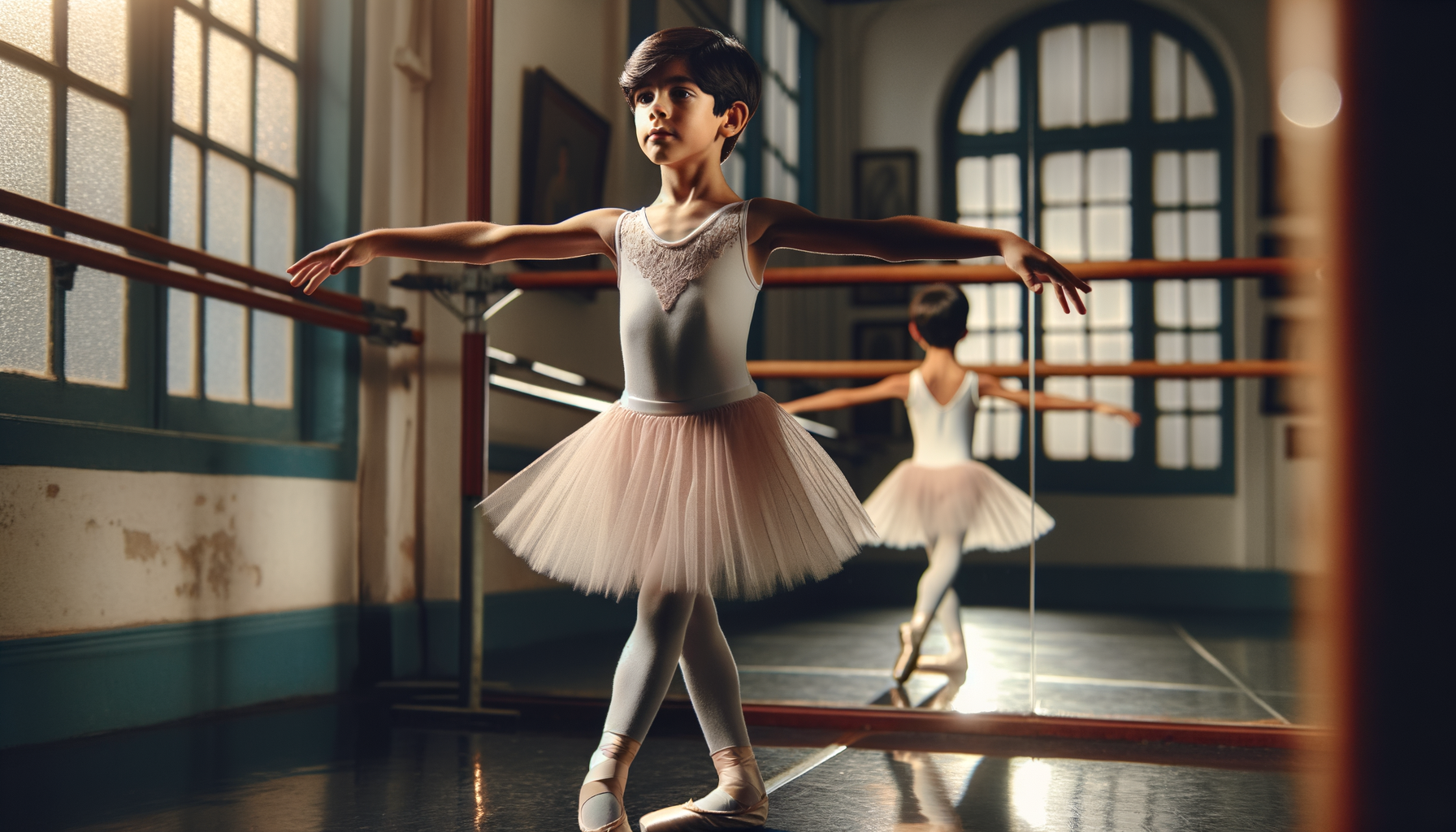
    Both boys and girls can benefit from ballet. The discipline builds agility, coordination, and musicality, which can enhance performance in other sports like football and martial arts. Many male dancers have achieved great success in the ballet world, inspiring boys to pursue this art form.

    Myth 3: Ballet is slow and boring

    While some classical ballet pieces may be lyrical, ballet also involves energetic jumps, spins, and complex footwork. As students progress, they learn exhilarating combinations and character dances influenced by various folk styles, making it a dynamic and engaging art form.

    Myth 4: You must start before age 5

    There is no set age for starting ballet. Children can begin later, even at ten or twelve, and still catch up with their peers. In fact, adult learners also thrive in beginner classes, emphasizing that passion and consistent practice are more important than age when it comes to learning ballet.

    Myth 5: Ballet isn’t a real workout

    Ballet classes are a great workout, strengthening core muscles, legs, and arms. Holding positions and performing jumps require endurance and stamina. Many dancers also engage in cross-training activities like Pilates or strength training to support their performance and prevent injuries.

    Myth 6: Ballet is unaffordable

    Contrary to popular belief, many community centers and schools offer reasonably priced ballet classes. Some studios even provide trial lessons or scholarships for students in need. Parents should explore different options to find a program that fits their budget and financial situation.

    Myth 7: Ballet encourages unhealthy competition

    Reputable ballet schools foster a supportive environment where teachers emphasize personal growth and artistry over comparison. Exams and performances are meant to celebrate progress and teamwork rather than fostering unhealthy competition among students.

    Conclusion

    By debunking these common myths about ballet, parents can better understand the benefits of enrolling their children in this enriching art form. Ballet builds strength, confidence, and creativity without enforcing harmful stereotypes. With accurate information, parents can make informed choices about their children’s involvement in ballet, helping them reap the many rewards that this art form has to offer.