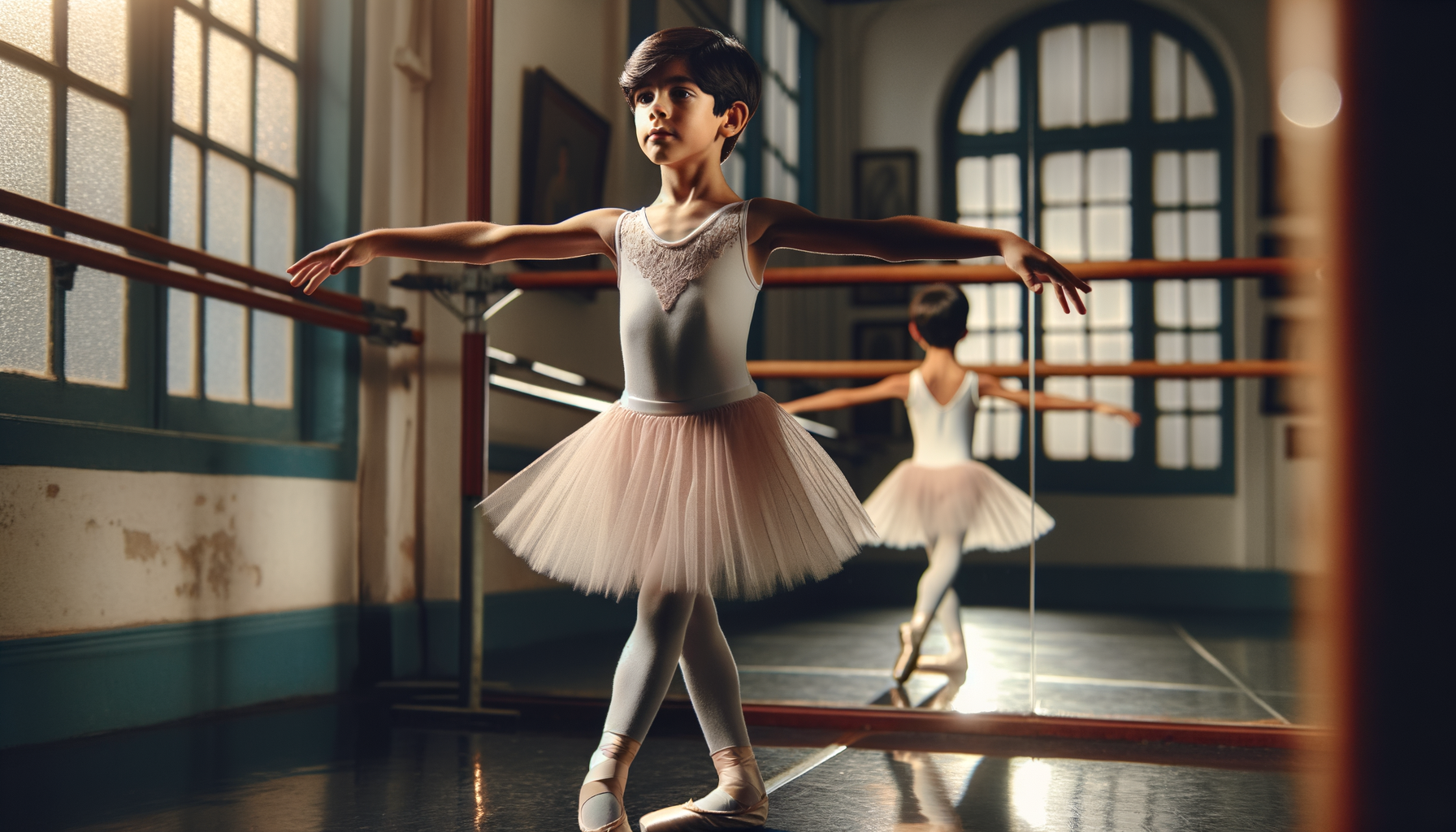
How Ballet Enhances Posture, Balance, and Discipline in Children
Parents are always looking for activities that not only entertain their children but also contribute to their physical and mental development. One such activity that excels in correcting posture, improving balance, and instilling discipline is ballet. In this article, we will explore how classical ballet training can support the physical and behavioural growth of children.
Alignment
Ballet demands precise alignment of the spine, hips, and shoulders. Through exercises at the barre and in the centre, young dancers learn to elongate their spines and engage their core muscles. According to AQ Dance, ballet helps in enhancing posture, coordination, and overall body awareness. By consistently practicing proper alignment, children can carry these habits into their daily lives, promoting a tall and upright posture.
Benefits:
Improved posture
Enhanced coordination
Increased body awareness
Strengthening Stabilisers
Many ballet movements target the stabilizing muscles around the ankles, knees, and hips. Balancing on one leg during exercises like arabesques and relevés strengthens these muscles, leading to better joint stability and a reduced risk of injuries during other physical activities or sports.
Benefits:
Enhanced joint stability
Reduced risk of injuries
Improved balance
Correcting Common Posture Issues
In a world where slouching over devices is prevalent, ballet plays a vital role in combating this trend. By teaching children to open their chests, retract their shoulders, and maintain a neutral pelvis, ballet instructors help correct poor posture habits. Through gentle corrections, children develop an awareness of proper alignment, empowering them to make adjustments throughout the day.
Benefits:
Counteracting poor posture habits
Enhanced body awareness
Improved postural alignment
Discipline and Focus
Ballet classes follow a structured format, encompassing warm-up routines, technical exercises, centre work, and cool-down sessions. This structured approach necessitates children to listen attentively, practice patience, and respect their teacher’s guidance. Learning intricate dance combinations not only enhances concentration and memory but also translates into improved focus in academic settings and other extracurricular activities.
Benefits:
Enhanced concentration
Improved memory retention
Boosted focus in academic settings
Balance and Coordination
Ballet is renowned for refining fine motor control and balance in children. Movements like sous-sus, relevé, and développé necessitate smooth weight shifting and the ability to sustain stability. According to AQ Dance, these intricate movements significantly enhance coordination and balance, ultimately fostering confidence in physical activities and reducing the risk of falls.
Benefits:
Enhanced coordination
Improved balance
Boosted confidence in physical activities
Conclusion
Ballet serves as a holistic discipline that not only strengthens the body but also nurtures the mind. Through alignment training, stabilizing exercises, and structured classes, children can cultivate exceptional posture, balance, and discipline. These attributes not only benefit them in their daily activities but also establish a firm groundwork for future athletic pursuits and overall well-being.
Leave a Reply