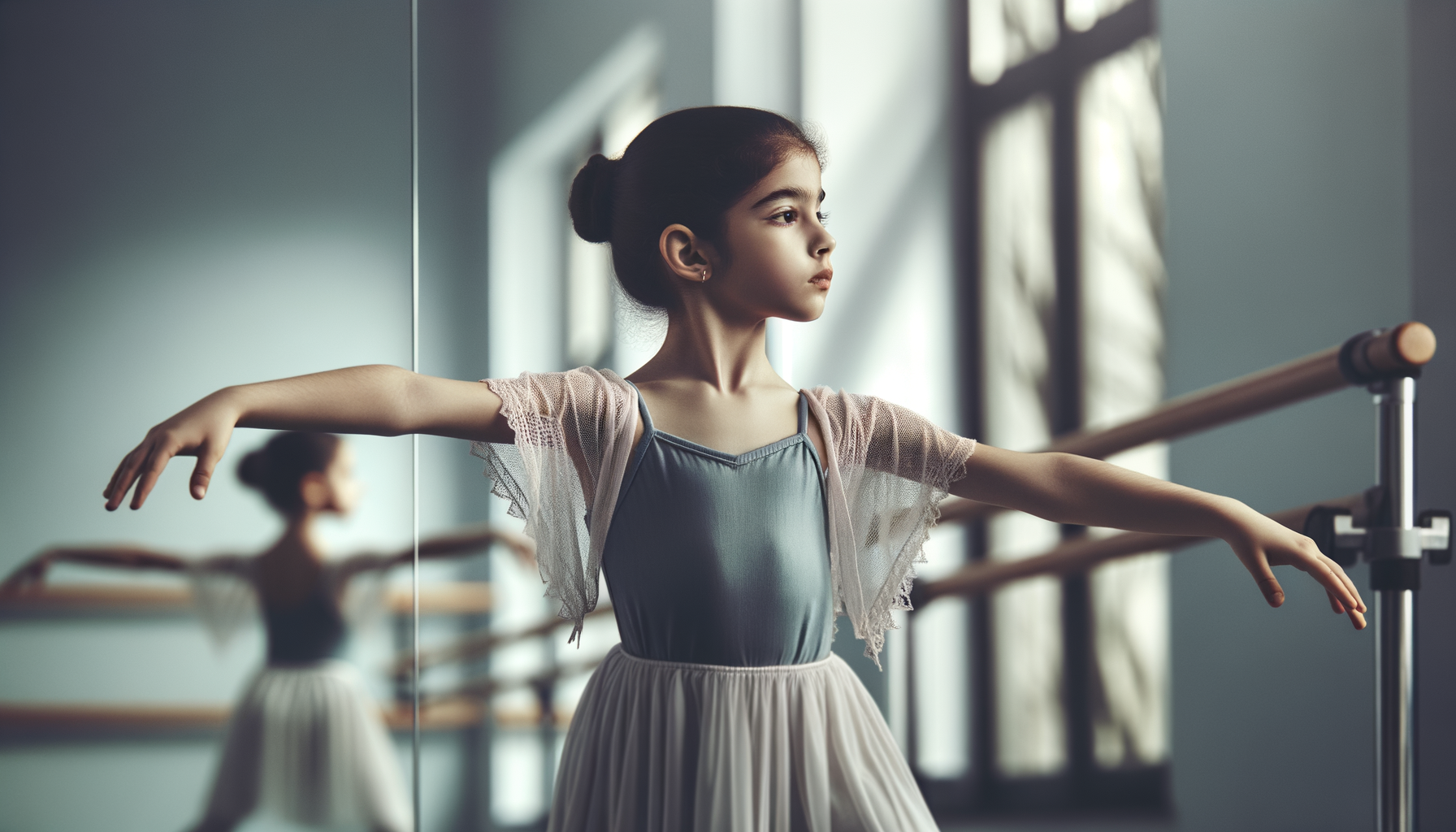
Ballet is more than just a form of dance – it is a powerful developmental tool for young children. From improving posture to boosting cognitive function, the benefits of ballet are numerous and backed by science. This article explores ten key benefits of ballet for young children, drawing on evidence from educational and dance organizations.
Physical Benefits: Posture, Alignment, and Strength
Ballet training emphasizes posture and alignment from a young age. Classes for children as young as three at the AQ Dance Academy build physical strength, coordination, and flexibility. Exercises like pliés and tendus strengthen core muscles, while balancing on one foot improves stability and body awareness. Over time, these practices correct slouching and promote an upright posture that benefits daily activities.
Cognitive Benefits: Memory, Focus, and Problem-Solving
Learning choreography in ballet requires remembering sequences and responding to music. Ballet classes boost memory, focus, and concentration. Children learn to count beats, recognize patterns, and interpret instructions quickly. These skills transfer to academic tasks, supporting improved attention in school.
Emotional and Confidence Building
Ballet provides a structured yet expressive outlet for emotions. Performing movements to music allows children to communicate feelings they may not yet verbalize. Mastering challenging steps instills confidence, teaching that perseverance leads to success. Positive reinforcement from teachers and applause from audiences further boost self-esteem.
Social Skills and Teamwork
Group ballet classes encourage cooperation. Students must take turns, share space, and synchronize movements. Ballet classes help children develop social connections and learn respect and cooperation. These interactions teach empathy and patience, valuable traits for friendships and future teamwork.
Discipline and Work Ethic
Ballet is rooted in discipline. Following class rules, practicing regularly, and striving for precision instill a strong work ethic. Children learn to set goals and work consistently towards them. These habits carry over into academic studies and personal projects, laying the foundation for lifelong discipline.
Creativity and Expression
Ballet nurtures creativity through storytelling and improvisation. Young dancers imagine themselves as characters and interpret music through movement. This creative play supports cognitive flexibility, helping children think innovatively and adapt to new situations.
Flexibility and Coordination
Stretching exercises and turnout positions in ballet enhance flexibility, reducing the risk of injury in other sports. Coordinated movements improve bilateral integration, essential for writing, playing instruments, and sports.
Musicality and Rhythm
Ballet teaches children to feel and interpret rhythm, enhancing timing and auditory processing. This musicality can improve language development and make learning instruments easier.
Body Awareness and Spatial Skills
Dancers become aware of how their bodies move through space, preventing collisions and fostering spatial intelligence. Understanding proximity to others is useful in sports, navigation, and STEM subjects.
Lifelong Appreciation for the Arts
Exposure to classical music, performance, and theatre through ballet fosters a lifelong appreciation for the arts. Children who experience ballet often develop curiosity about other art forms, broadening their cultural horizons.
Conclusion
The benefits of ballet extend far beyond the studio. Scientific insights and observations from dance educators show improvements in physical health, cognitive function, emotional well-being, and social skills. By enrolling young children in ballet, parents provide them with a strong foundation for both dance and everyday life.
Leave a Reply